Purification
Bottled-quality water, without the bottles
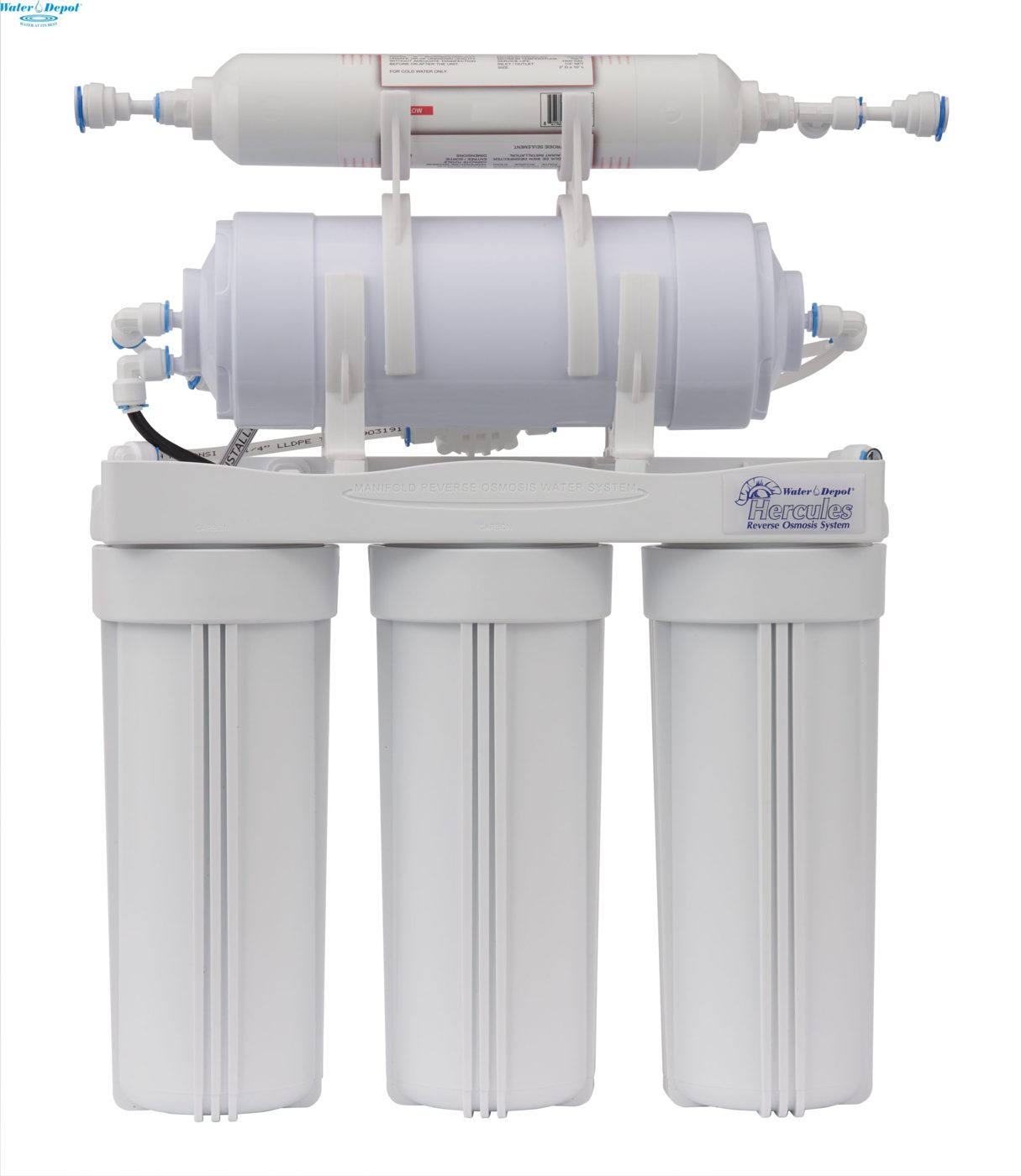
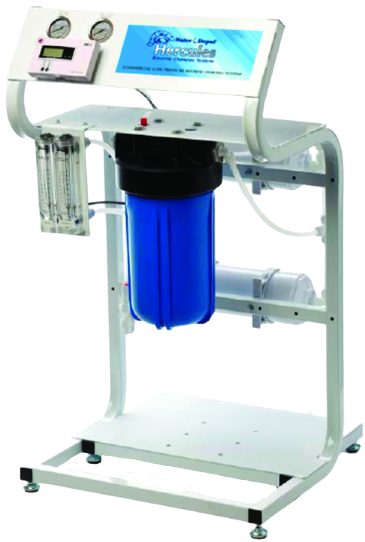
A reverse osmosis system removes over 90% of dissolved solids, plus lead, chlorine and more, for great tasting water right at your sink.
Better water for drinking and cooking
Multi-stage filtration
Sediment, carbon and membrane stages work together.
Less plastic
Skip the cases of bottled water.
Remineralizing options
Add back healthy minerals for a crisp taste.
How reverse osmosis works
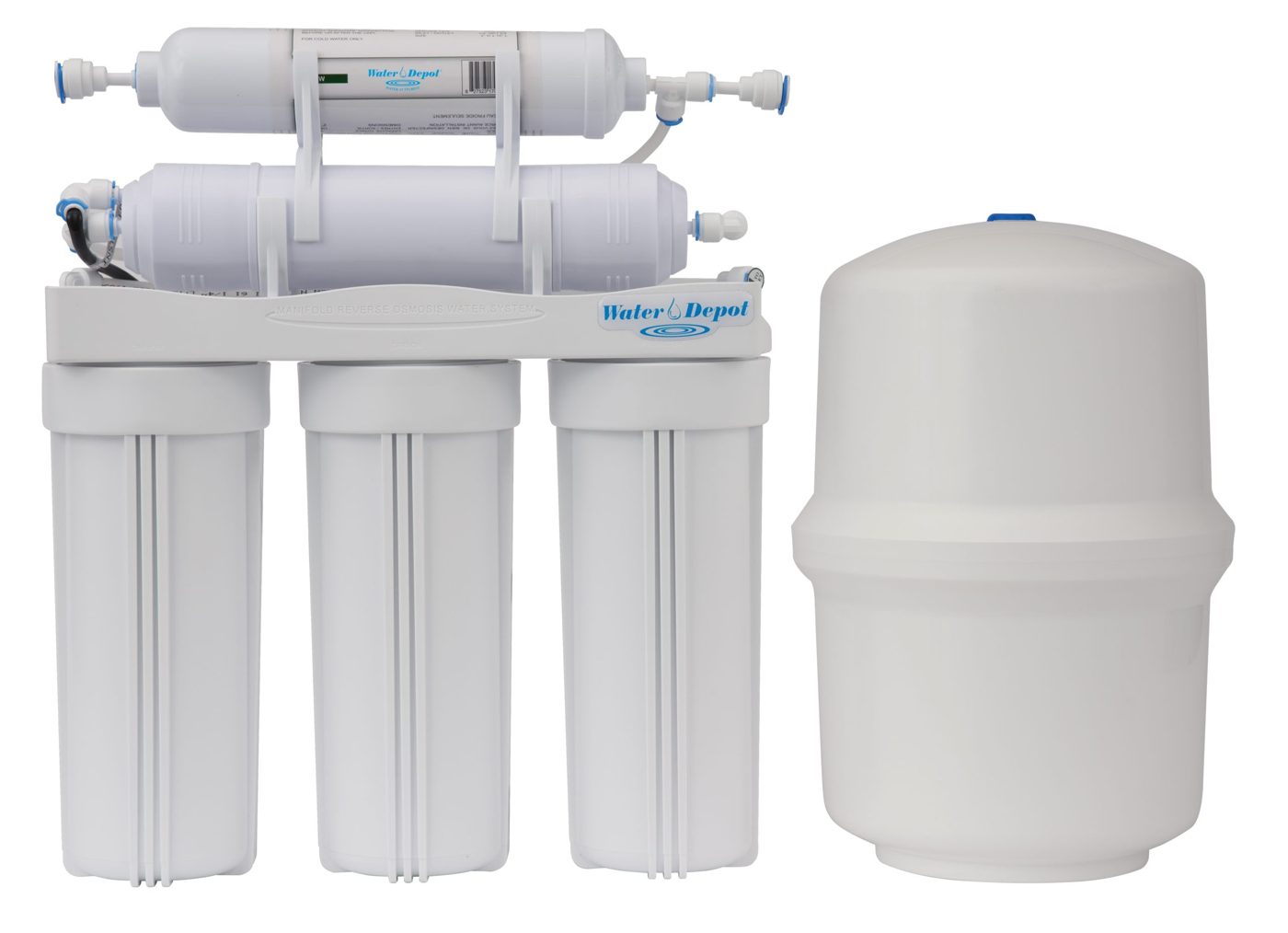
Reverse osmosis (RO) pushes water through a very fine membrane that lets water molecules pass but holds back dissolved salts, metals and many other contaminants. Pre-filters remove sediment and chlorine to protect the membrane, and a carbon post-filter polishes the taste. Purified water is stored in a small tank under your sink and delivered through its own faucet.
What RO reduces
- Total dissolved solids (TDS), often by 90% or more
- Lead, copper and other heavy metals
- Sodium, including sodium added by a water softener
- Nitrates, fluoride and arsenic (varies by system)
- Chlorine taste and odour
Performance depends on your water and the system chosen. Look for systems certified to NSF/ANSI standards, and ask your store to test before and after installation.
Ways to enjoy RO water
Kitchen faucet
A dedicated tap for drinking, coffee, tea and cooking.
Fridge and ice maker
Clear, great-tasting ice with no cloudy cubes.
Remineralizing stage
Adds calcium and magnesium back for a crisp, alkaline taste.
U-Fill at the store
No system yet? Fill your jugs with RO water at any store.
Maintenance made easy
Pre- and post-filters are usually changed every 6 to 12 months and the membrane every 2 to 3 years. Your store keeps your filter history on file and can remind you when it is due, so your water always tastes its best.